



About PEAK
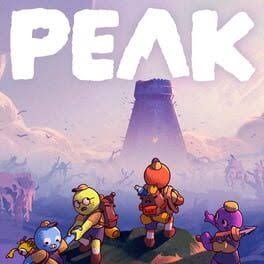
In PEAK, reaching higher ground is a problem of route choice, stamina, and survival. The original climbing game follows stranded scouts trying to escape an island by ascending its central mountain. Rocks and ledges become a series of decisions: where to begin, which surface to cross, and where to stop before the next difficult section. Food, injuries, and climbing equipment complicate that journey. This page opens the browser port provided through wasm.rip. The mountain guide below draws on the original game description; the available routes and features in this browser build still need to be checked during play.
Controls and a first practice climb
Select Play game above and allow the resource download to finish. Then click inside the game window to give PEAK focus. Check the controls or tutorial shown by this build before attempting a steep wall: its exact keyboard bindings, mouse capture, and controller support have not been verified here. First identify the actions for looking around, moving, climbing, and handling an item. Practice them near the ground, where a missed input is easier to understand than during a long ascent. Choose a low ledge, approach it deliberately, and watch how the character responds when you begin and stop climbing. Use the in-game prompts if they differ from controls described elsewhere.
Read the route before committing
A useful opening goal is one manageable section rather than the entire mountain. From a stable position, look for a place you could stand above your current location, then trace the surfaces that might connect the two. Consider what happens if you cannot finish that route: a short drop onto nearby ground is a different risk from falling past every ledge below. This is a practice method based on the climbing premise, not a guaranteed route through a particular map. Once you reach the next standing area, reassess from that new viewpoint. The clearest path from below may look less practical after you see the next obstacle.
Stamina, injuries, and supplies
The official description of PEAK links survival directly to climbing ability: injuries and other setbacks can limit stamina, leaving less room for the next ascent. Treat the visible stamina display as information about the route you can attempt now, rather than assuming a climb that worked earlier is still safe. After a fall or another setback, check your condition before repeating the same approach. Food and helpful supplies are part of the original survival loop. Read an item description or prompt before using it, and observe what changes afterward. That small check helps distinguish a useful recovery item from an object whose purpose is still unclear.
Plan around climbing equipment
Ropes and climbing spikes appear in the original game as tools for making difficult terrain easier to cross. If they are available in your run, examine the obstacle before using them. Decide which section needs help and where the tool would leave you afterward; getting higher is only useful if you can continue or reach a workable stopping point. Avoid treating every unfamiliar item as an immediate solution. Learn its displayed action and placement rules in an accessible area first. The aim is to make a deliberate equipment choice for a visible problem, rather than spend supplies because a wall looks intimidating.
Practice alone before relying on a team
The original PEAK offers solo climbing and cooperative play, including helping other scouts over ledges and placing equipment for the group. Online play has not been verified in this browser port, so do not plan a session around Steam invites or voice features working here. If the build offers a solo option, use it to learn the terrain and item prompts at your own pace. If you later confirm a working team mode, agree on the next standing area before everyone starts climbing. Communicating a destination and a supply need is more useful than simply telling another player to keep moving upward.
Make each attempt answer one question
After a missed climb, identify the decision that made it difficult. Was the intended landing area out of reach, did a previous injury leave less stamina than expected, or did you use unfamiliar equipment without checking its action? Choose one of those questions for the next attempt. A shorter route can help you study movement, while a careful supply check can help you understand the survival side. These are learning suggestions, not a fixed walkthrough or a promise of reaching the summit. Remember a useful local landmark and the decision you changed so that another attempt provides something more specific than a longer fall.
This browser version and loading
The PEAK entry opens a third-party browser build credited by the provider to Dasher. Its initial resource package is about 243 MiB, so the first download can take time before the game starts. A moving download counter means resources are still arriving; it does not show that the climb is ready. Loading inside the embedded player has been observed, but a complete playable ascent, audio, progress recovery, and touch controls have not been verified. The original game advertises changing maps, badges, and multiplayer; availability of those features here is unconfirmed. Keep your first session short enough to check the actual controls and any save options before relying on them.